


First responders, who are tasked with responding to catastrophic events involving severe injury or death, may develop PTSD after witnessing trauma. Children who witness a parent’s violence toward another family member may develop PTSD, even if those children weren’t subject to physical abuse themselves. Even televised national disasters, such as 9/11 or a school shooting, can trigger a trauma response. PTSD is a psychological and emotional stress disorder that causes someone to believe that they are unable to cope with the demands placed on their inner world. It is a marijuana addiction negative perception of highly stressful or traumatic situations that manifests itself through emotional and physical symptoms.
WHO response
Women are more likely to have it than men — about 8% vs. 4%. This may be due to the fact that people assigned female at birth are more likely to be victims of domestic violence, abuse, and rape. Maybe you had a particularly difficult or painful delivery, you needed an emergency C-section, or you or your baby had to have other emergency treatment.
Who do I contact for help with PTSD? How do I locate specialists or support groups for PTSD?

If your symptoms last longer than four weeks, cause you great distress, or interfere with your work or home life, you might have PTSD. Treatments for PTSD include psychotherapy and medication. Some people may find that recovering from PTSD leads to positive changes in their attitude to life, improved relationships, and increased self-confidence. Scientists are looking at resilience factors that may help people recover from or avoid PTSD more effectively.
People in the United States suffer from PTSD
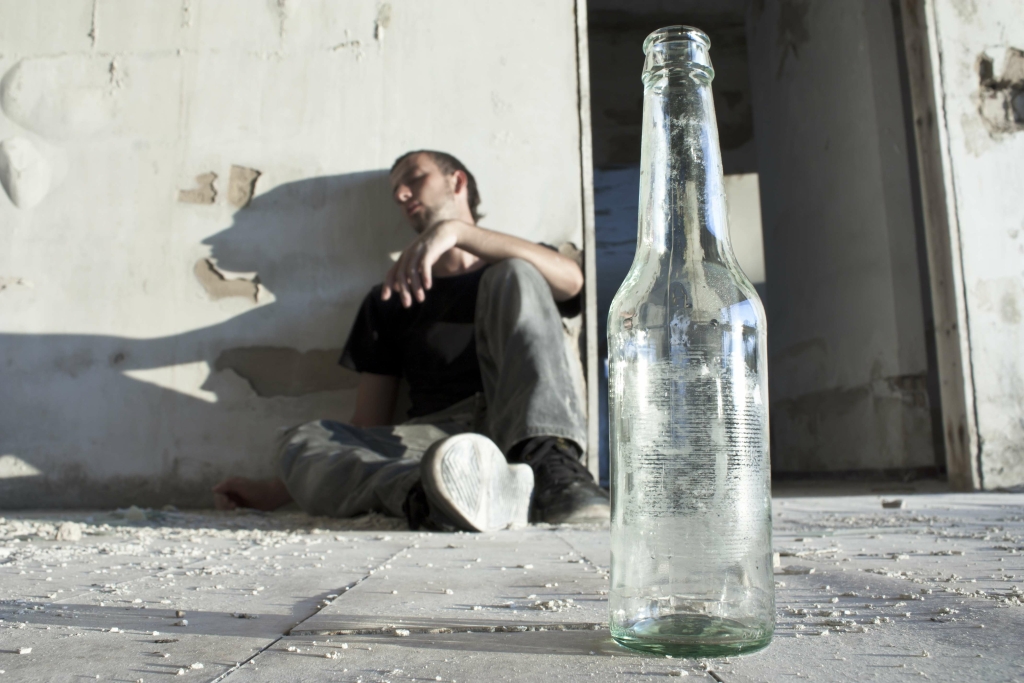
People might experience a sense of detachment or estrangement from others, ptsd and alcohol abuse which they often describe as feeling numb. They might have negative ideas or feelings, such as blame, in association with themselves or others. People experiencing PTSD will often avoid talking about the incident. They may also attempt to avoid having memories about the incident by staying away from certain places, people, or situations. PTSD is a diagnosed condition that develops after a stressful experience.
- Traumatic experiences often involve a direct threat to life or safety, but anything that leaves you feeling overwhelmed or isolated can result in trauma.
- These emotional changes often coincide with dramatic physical shifts, including sudden angry outbursts, reckless behavior, and a state of constant alertness that makes relaxation nearly impossible.
- Children with PTSD may have difficulty expressing how they’re feeling or they may have experienced trauma that you don’t know about.
- The amygdala is the part of the brain that processes emotions and fear.
- Anyone who has been exposed to trauma and who finds that the experience interferes with daily functioning for more than a month may be diagnosed with PTSD.
- If you are in crisis or having thoughts of suicide, visit VeteransCrisisLine.net for more resources.
What is post-traumatic stress disorder (PTSD)?
This includes combat veterans and people who have experienced or witnessed a physical or sexual assault, abuse, an accident, a disaster, a terror attack, or other serious events. People who have PTSD may feel stressed or frightened, even when they are no longer in danger. The drug increases levels of so-called “feel-good” hormones in your brain, including serotonin and dopamine. That can make it easier to talk about and process your traumatic experience with a therapist.
What separates PTSD from normal trauma responses is both the intensity and duration of symptoms. While most https://susfindex.com/alcohol-use-and-your-health-alcohol-use/ people gradually feel better after traumatic experiences, those with PTSD find that their distress gets worse or stays at the same intense level for months or even years. PTSD is a mental health condition that can occur after a person experiences or witnesses a traumatic event.
Meetings and Events
People usually use these strategies to try to avoid distressing recollections. Yet avoidance strategies may inadvertently intensify re-experiencing symptoms over time and thus perpetuate the presence of PTSD. It’s normal to have upsetting memories, feel on edge, or have trouble sleeping after a traumatic event (also called “trauma”). At first, it may be hard to do daily activities you are used to doing.
Certain aspects of the traumatic event and biological factors (such as genes) may make some people more likely to develop PTSD. A special kind of therapy is sometimes used with children who have PTSD. Trauma-focused cognitive-behavioral therapy can help children feel safe and in control of their emotions. They’re encouraged to talk about what they went through and how they feel about it. The therapist helps them change the way they react to memories of the event, and also change incorrect ideas they may have, like thinking they’re to blame.




 0822 859 668